Lydia Mahala Todd
 was born in 1824 to Amos and Lurana Strong Todd in Cortland County, New York, and moved to Sandusky as a youngster. In 1844, Lydia married William T. West, a Sandusky merchant, and co-owner of the West House. Their wedding was the first wedding in the upper part of Grace Episcopal Church. In 1892, William T. West built the
Mahala Block on East Washington Row, and named it after his wife’s middle name.
During the cholera epidemic of 1849, Mrs. West was a hard worker, and helped to alleviate the suffering of those taken ill. She gained a reputation for kindness to the soldiers during the Civil War. The December 25, 1902 Sandusky Register reported that “in later years charity and aiding the poor and needy have been her main objects.”
Mrs. Lydia Mahala Todd West died on Christmas Eve in 1902. Her obituary was headlined with the phrase “Death of an Esteemed Lady.” The funeral services for Mrs. West were largely attended, and many floral tributes were sent. The active pallbearers were four African American employees of the West House Hotel. Among the mourners at her funeral was
Ban Johnson, president of the American Baseball League. While it is not known how they met, the
Sandusky Evening Star stated that Ban Johnson knew Mrs. West well. Mrs. West was survived by her husband William T. West, and her children: Mrs. C. L. Hubbard, Mrs. W. B. Jordan, George C. West, and William G. West. Burial was in Oakland Cemetery.
The William T. West family is the subject of Article 11 in Helen Hansen’s book
At Home in Early Sandusky, available at the Sandusky Library. The book is also for sale at the ongoing book sale of the Sandusky Library’s main circulation desk.
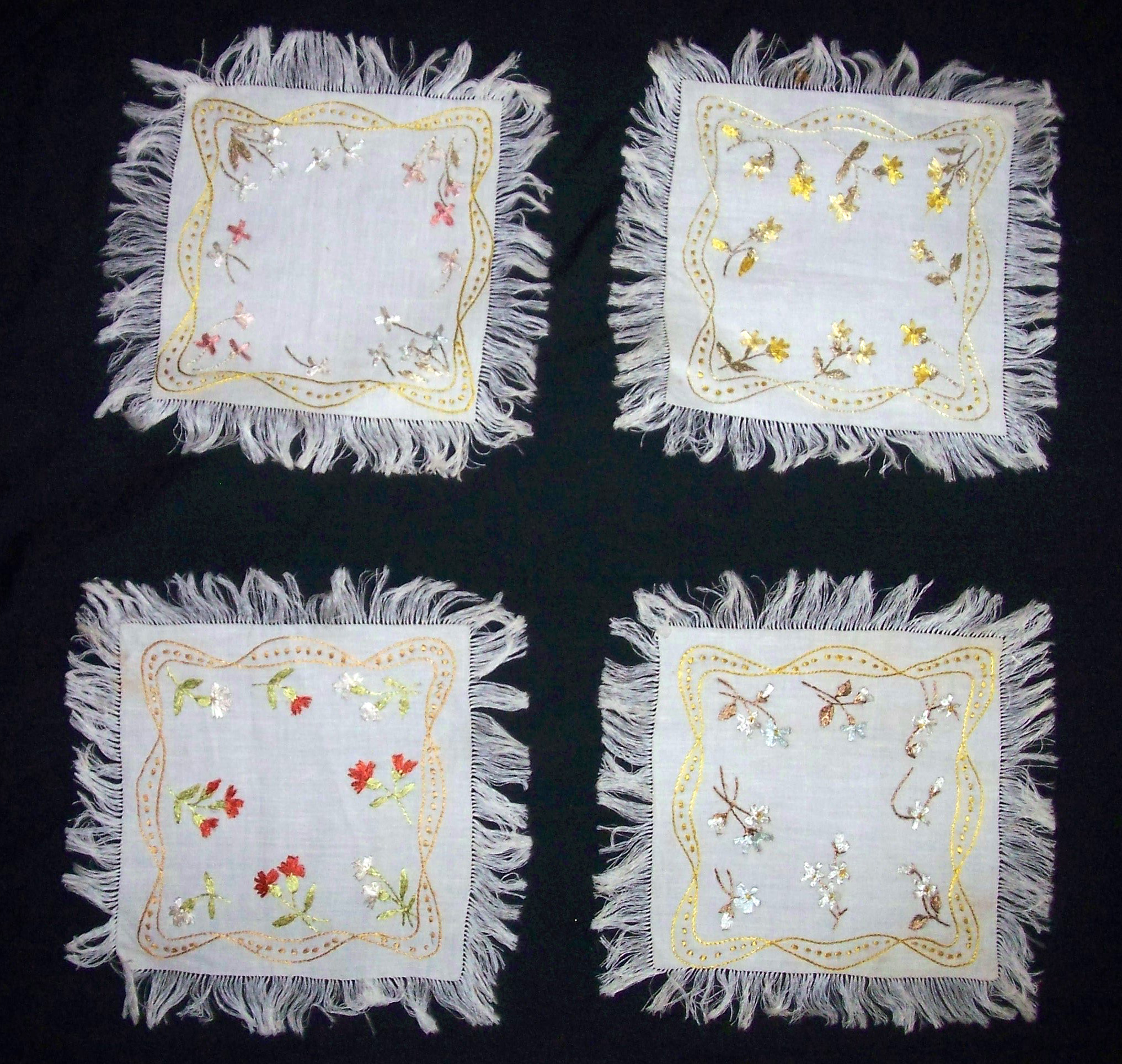
Pictured below is the wedding handkerchief of Mrs. Lydia Mahala Todd West, from the collections of the Follett House Museum.